5 Critical Issues India Must Fix After Asia Cup 2025 Win: Captain’s Form Slump, Death Overs Crisis & Fielding Woes Before T20 World Cup 2026
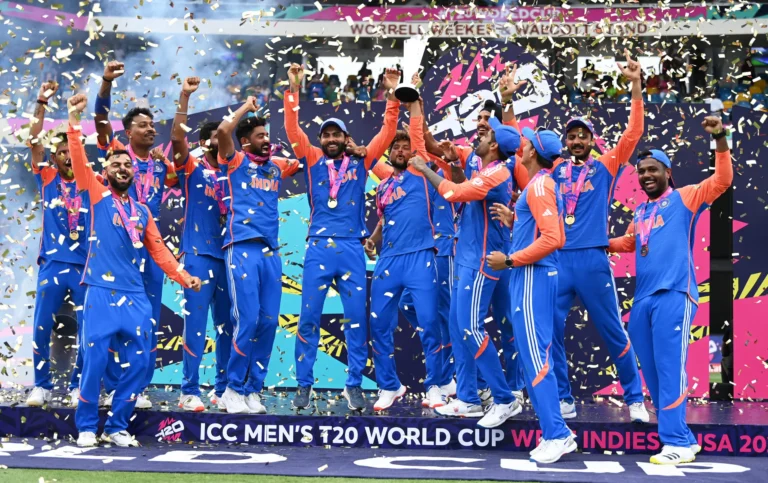
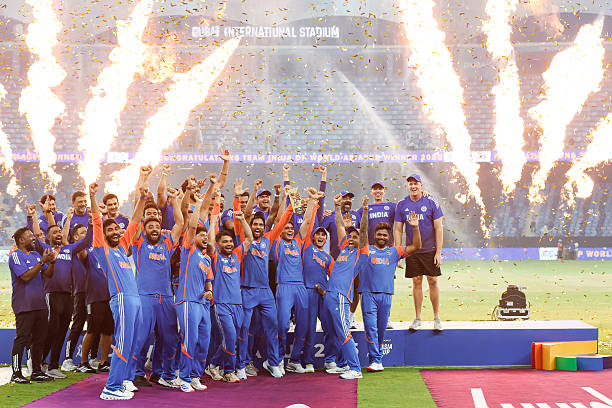
India’s cricket fans erupted in celebration as the Men in Blue clinched the Asia Cup 2025 title with an impressive unbeaten run, culminating in a thrilling five-wicket victory over arch-rivals Pakistan at Dubai International Cricket Stadium on September 28, 2025. This marked India’s third consecutive triumph over Pakistan in the tournament, cementing their continental dominance. However, beneath the surface of this commanding performance lie several worrying concerns that could derail their ambitions at the upcoming T20 2026 tournament in India and Sri Lanka. While the victory parade continues, the coaching staff and selectors must address fundamental issues ranging from captaincy form to death bowling vulnerabilities if India hopes to convert regional success into global glory.
The Asia Cup 2025 Victory: Context and Significance
India’s path through the Asia Cup 2025 was nothing short of dominant. They swept through the competition without a single defeat, showcasing the depth and talent within their squad. The final against Pakistan provided the ultimate test, and India’s ability to chase down a challenging target demonstrated their mental fortitude under pressure.
Tournament Highlights:
- Unbeaten record throughout the competition
- Third consecutive Asia Cup final victory over Pakistan
- Exceptional spin bowling performances
- Emerging batting talents stepping up
- Strong team unity and fighting spirit
This continental championship success provides momentum and confidence heading into the home World Cup. However, experienced cricket analysts recognize that Asia Cup conditions and opposition differ significantly from what India will face when the world’s best teams converge for the sport’s premier T20 tournament.
Standout Performers: Positives to Build Upon
Before examining the problems, it’s essential to acknowledge the players who delivered exceptional performances during the Asia Cup campaign.
Spin Bowling Mastery
Kuldeep Yadav and Varun Chakaravarthy emerged as India’s match-winners throughout the tournament. Their ability to bamboozle batsmen on UAE pitches demonstrated world-class quality that will be crucial during the home World Cup. Both spinners maintained economy rates while picking up crucial wickets, proving nearly unplayable during middle overs.
Why Their Success Matters:
- Provided control during pressure situations
- Created wicket-taking opportunities consistently
- Adapted bowling strategies to different opponents
- Demonstrated variation and tactical intelligence
- Built pressure forcing batting errors
Batting Bright Spots
Abhishek Sharma announced himself as a genuine prospect with consistent performances displaying maturity beyond his years. His ability to handle pressure situations while maintaining aggressive intent represents exactly the kind of batting India needs for T20 success.
Tilak Varma continued his impressive development trajectory, contributing significant innings that showcased his versatility and temperament. His performances added crucial batting depth, giving India flexibility in team composition.
These positives provide a foundation for optimism. However, championship teams address weaknesses proactively rather than waiting for tournament pressure to expose them.
Issue #1: Suryakumar Yadav’s Alarming Form Slump
Perhaps the most concerning development is captain Suryakumar Yadav’s extended batting struggles throughout 2025. The numbers paint a worrying picture for India’s leadership.
Statistical Reality Check
Suryakumar’s 2025 T20I Performance:
- Total innings: 12 T20 Internationals
- Runs scored: 100 runs
- Batting average: 11.1
- Strike rate: 105.26
- Half-centuries: 0
- Ducks: 3
These statistics represent SKY’s worst calendar year since his international debut, raising serious questions about his batting position and captaincy security.
Contributing Factors to Form Decline:
Age and Approach Concerns: At 35 years old, Suryakumar’s batting style relies heavily on hand-eye coordination and reflexive strokeplay. As reflexes naturally decline with age, his unconventional shot selection becomes riskier and less effective.
Technical Struggles: His previously reliable scoring zones—particularly his trademark shots behind square on the off-side and innovative leg-side play—are no longer yielding consistent runs. Bowlers have identified weaknesses and adjusted their strategies accordingly.
Pressure Against Quality Bowling: Whether facing express pace or quality spin, Suryakumar hasn’t shown his characteristic comfort level. This vulnerability affects not just his personal output but team strategy overall.
Leadership Dilemma: India faces an uncomfortable situation heading into a home World Cup: their captain’s batting form raises doubts about his team selection, let alone his leadership position. Championship teams need captains who lead from the front, and currently, SKY’s contributions are minimal.
Issue #2: Pace Bowling Imbalance and Over-Reliance on Bumrah
India’s bowling composition during the Asia Cup exposed a fundamental imbalance that could prove costly against stronger opposition.
The Single Specialist Pacer Problem
Throughout the tournament, Jasprit Bumrah carried the pace bowling burden virtually alone. While all-rounders Hardik Pandya and Shivam Dube provided support, neither possesses the consistency or skillset of a specialist fast bowler.
Critical Team Selection Decision:
In the Asia Cup final against Pakistan, with Hardik unavailable through injury, India selected Rinku Singh—another batsman—rather than including a second specialist pacer like Arshdeep Singh. This decision perfectly encapsulates head coach Gautam Gambhir’s philosophy prioritizing batting depth over bowling balance.
Consequences of This Approach:
Bumrah’s Workload Management: With only one specialist pacer, India cannot afford Bumrah injuries or fatigue. His deployment becomes predictable, allowing opposition teams to plan specifically around his overs.
Death Bowling Vulnerability: Without pace bowling options, India struggles at the death when spin becomes less effective and batsmen target boundaries aggressively.
Bowling Strategy Limitations: The absence of a second quality pacer restricts tactical flexibility, particularly on pitches offering pace and bounce.
Kuldeep and Varun’s Indispensability: Both spinners performed so brilliantly that dropping either seems impossible, creating a selection conundrum that leaves pace bowling undermanned.
This imbalance represents a strategic flaw that stronger teams will exploit ruthlessly.
Issue #3: Batting Order Chaos and Role Confusion
India’s batting lineup resembles a puzzle with too many pieces designed for the same position, creating confusion about optimal positioning and defined roles.
The Top-Order Logjam
India possesses multiple talented batsmen who all excel in similar positions:
Natural Top-Order Players:
- Tilak Varma
- Sanju Samson
- Shivam Dube
- Abhishek Sharma
- Shubman Gill
- Suryakumar Yadav
The Problem: All six players perform best in the top four positions where they can build innings against new balls and exploit field restrictions. Forcing some into middle-order roles compromises their effectiveness.
Finisher Role Complications:
Even players designated as finishers—Hardik Pandya and Axar Patel—prefer batting during middle overs against spin rather than at the death against pace. This preference creates additional selection headaches.
Asia Cup Reshuffling Consequences
| Player | Preferred Position | Asia Cup Role | Result |
|---|---|---|---|
| Tilak Varma | Top 3 | Floated between 3–5 | Inconsistent |
| Sanju Samson | Opener / No. 3 | Middle order | Failed to adapt |
| Shivam Dube | Top 4 | Middle order | Inconsistent |
| Abhishek Sharma | Opener | Opening / No. 3 | Most consistent |
The constant reshuffling prevented players from settling into defined roles, creating uncertainty that manifested in inconsistent performances.
Pakistan Final Reality Check:
During the chase of 170-plus in the final, India’s dependency on strong opening partnerships became glaringly obvious. When the top order doesn’t fire, the middle order lacks clarity about acceleration timing and risk-taking, leading to uncomfortable chases against quality bowling.
Issue #4: Fielding Standards Below Championship Level
Elite teams convert half-chances into dismissals through sharp fielding. India’s catching performance during the Asia Cup fell significantly short of championship standards.
Dropped Catches Statistics
India’s Asia Cup Fielding Record:
- Total dropped catches: 12
- Catching efficiency: 67.5%
- Tournament ranking: Second-worst among all teams
These numbers reveal systematic fielding issues rather than isolated errors.
Consequences of Poor Catching:
Opposition Batting Boosts: Dropped catches allowed batsmen like Bangladesh’s Saif Hassan to score heavily, turning potentially modest totals into challenging targets. Sri Lanka capitalized on Indian errors to secure unexpected victories.
Bowler Demoralization: Few things frustrate bowlers more than creating chances only to see teammates drop them. Varun Chakaravarthy, who suffered particularly from dropped catches, acknowledged the problem candidly:
“You can’t make excuses at this level. As a unit, we certainly need to start holding onto those catches.”
Pressure Situations Magnified: In tight matches, dropped catches swing momentum dramatically. Championship teams create pressure through excellent fielding; India currently does the opposite.
Confidence Erosion: Poor fielding creates a negative cycle where fielders become hesitant, leading to more dropped chances and further confidence loss.
This fielding decline must be addressed urgently through intensive training and potentially selection changes favoring athleticism and reliability.
Issue #5: Death Overs Bowling Catastrophe
Perhaps the most alarming statistic from India’s Asia Cup campaign concerns their death-overs bowling economy rate.
Death Bowling Numbers
India’s Death Overs Performance:
- Economy rate: 10+ runs per over
- Tournament comparison: Worst among all competing teams
- Bowlers’ individual economies:
- Arshdeep Singh: 10.37 runs per over
- Harshit Rana: 11.28 runs per over
Strategic Miscalculation:
India’s decision to deploy Bumrah for three powerplay overs—while tactically creating early pressure—left the death overs severely undermanned. Without Bumrah’s yorkers and variations at the death, opposition batsmen plundered runs freely.
Why This Problem Threatens World Cup Success:
Modern T20 Reality: Contemporary T20 cricket features explosive death-overs hitting. Teams routinely score 60-80 runs in the final five overs. Conceding 10+ runs per over makes defending any total nearly impossible.
Predictable Bowling Plans: Without quality death-overs options, India’s bowling becomes predictable. Opposition teams know exactly when to attack, simplifying their batting strategies.
No Plan B: Championship teams have multiple death-overs specialists. India currently relies entirely on Bumrah, with no credible backup plan when he’s unavailable or when conditions don’t suit his bowling.
Batting-Heavy Selections Backfire: Gambhir’s preference for batting depth directly contributes to death bowling weakness. The extra batsman rarely impacts matches as significantly as death-overs economy rate differences.
This issue cannot be solved through wishful thinking or minor adjustments—it requires fundamental team selection philosophy changes.
The Road to T20 World Cup 2026: Solutions and Strategies
India’s Asia Cup victory provides momentum, but converting continental dominance into global championship success requires addressing these five critical issues systematically.
Immediate Action Items
1. Resolve the Captaincy Question
India must make a difficult decision regarding Suryakumar Yadav:
- Option A: Back him unconditionally, providing extended opportunities to rediscover form
- Option B: Identify alternative captaincy options (Hardik Pandya, Shubman Gill, or Jasprit Bumrah) while potentially retaining SKY as a batsman if form improves
- Option C: Make tough selection calls based purely on current form and performance
2. Achieve Bowling Balance
Include a second specialist pacer even if it means sacrificing batting depth:
- Arshdeep Singh’s left-arm angle provides variety
- Mohammed Siraj offers express pace and aggression
- Consider developing backup seamers through domestic exposure
3. Define Batting Roles Clearly
Stop reshuffling and establish fixed batting positions:
- Identify who opens permanently
- Assign middle-order roles based on skillsets rather than accommodating everyone
- Develop specialist finishers through role clarity and consistent opportunities
4. Intensive Fielding Overhaul
Make fielding non-negotiable in selection:
- Implement specialized catching drills
- Consider fitness and athleticism in selection decisions
- Create accountability for fielding errors
- Study championship teams’ fielding standards
5. Death Bowling Strategy Revolution
Develop multiple death-overs options:
- Don’t deploy Bumrah exclusively in powerplay
- Identify and develop death-overs specialists
- Practice yorkers and slower variations intensively
- Study opposition death-overs approaches
Historical Context: Continental vs Global Success
Cricket history shows that Asia Cup victories don’t automatically translate into World Cup triumphs. India must learn from previous campaigns where regional dominance didn’t yield global glory.
Key Lessons:
- Tournament conditions vary significantly between Asia Cup and World Cup
- Opposition quality increases dramatically at World Cups
- Pressure and expectations affect performance
- Teams that address weaknesses proactively succeed; those that ignore problems fail
The Home Advantage Factor
Hosting the T20 World Cup 2026 alongside Sri Lanka provides India with significant advantages but also amplifies pressure and expectations.
Advantages:
- Familiar conditions and pitches
- Home crowd support
- No travel fatigue
- Psychological comfort
Challenges:
- Enormous pressure from billion+ fans
- Media scrutiny magnified
- Expectation management difficulties
- Opposition teams extra motivated to upset hosts
Time for Honest Assessment
India’s cricket establishment—selectors, coaching staff, and players—must resist the temptation to view the Asia Cup triumph through rose-tinted glasses. Championship teams acknowledge weaknesses honestly and address them proactively.
Questions Demanding Answers:
- Can Suryakumar Yadav rediscover batting form quickly enough?
- Will team management prioritize bowling balance over batting depth?
- Can fielding standards improve dramatically in coming months?
- Will death-overs bowling receive the strategic attention it desperves?
- Can batting order stability be achieved despite multiple competing interests?
The answers to these questions will determine whether India’s Asia Cup success represents a stepping stone to World Cup glory or merely a consolation prize before tournament disappointment.
Frequently Asked Questions
Q1: What were India’s main problems during the Asia Cup 2025 despite winning?
India faced five critical issues: captain Suryakumar Yadav’s poor form (averaging just 11.1), lack of a second specialist pacer creating bowling imbalance, batting order confusion with too many top-order players, poor fielding with only 67.5% catching efficiency, and death-overs bowling economy rate exceeding 10 runs per over—worst among tournament teams.
Q2: How bad is Suryakumar Yadav’s current batting form?
Extremely concerning. In 12 T20Is during 2025, SKY scored only 100 runs at an average of 11.1 with a strike rate of 105.26. He registered three ducks without a single half-century, marking his worst calendar year since international debut. At 35, his declining form raises serious questions about his captaincy and team selection.
Q3: Why is India’s death-overs bowling such a major problem?
India’s death-overs economy rate exceeded 10 runs per over during the Asia Cup—worst among all teams. Deploying Jasprit Bumrah in powerplay overs left the death exposed, with Arshdeep Singh (10.37) and Harshit Rana (11.28) conceding freely. Without Bumrah at the death, India has no Plan B, making defending totals nearly impossible in modern T20 cricket.
Q4: What is India’s fielding problem?
India dropped 12 catches during the Asia Cup with a catching efficiency of just 67.5%—second-worst among all teams. These errors allowed opposition batsmen to score heavily, demoralized bowlers, and cost India matches. Varun Chakaravarthy admitted the team must improve catching standards urgently.
Q5: Why is batting order confusion an issue for India?
India has six players (Tilak Varma, Sanju Samson, Shivam Dube, Abhishek Sharma, Shubman Gill, Suryakumar Yadav) who all excel in top-order positions. Constant reshuffling during the Asia Cup prevented role clarity, leading to inconsistency. Sanju Samson failed adapting to middle order, while others struggled with undefined positions, exposing India’s dependency on strong opening stands.
Q6: Can India fix these problems before the T20 World Cup 2026?
Potentially, but it requires difficult decisions and strategic changes. India must resolve the captaincy question, include a second specialist pacer despite Gautam Gambhir’s preference for batting depth, define clear batting roles, dramatically improve fielding standards, and develop death-overs bowling options. Success depends on whether team management addresses these issues honestly rather than hoping they resolve themselves.Retry