BCCI Official’s First Reaction On Bangladesh’s Demand To Shift T20 World Cup Matches Out Of India
The cricketing world has been closely watching the escalating tensions between India and Bangladesh over hosting arrangements for the upcoming global tournament. After days of speculation and intense discussions, BCCI secretary Devajit Saikia has finally addressed Bangladesh’s controversial demand to relocate their matches from Indian venues. This development comes at a critical time as the ICC Men’s T20 World Cup in 2026 draws closer, with just weeks remaining before the tournament kicks off on February 7.
The Controversy That Shook Cricket’s Foundation
Everything started when the BCCI instructed Kolkata Knight Riders to release Bangladesh pacer Mustafizur Rahman from their IPL roster. KKR had purchased Rahman for INR 9.20 crore during the Abu Dhabi auction, but growing tensions between the two nations forced the board’s hand. The franchise faced massive criticism from fans who questioned the decision to sign a Bangladeshi player amid deteriorating bilateral relations.
The situation intensified after multiple incidents involving minorities in Bangladesh created diplomatic strain between the neighboring countries. What began as an IPL roster decision quickly snowballed into a full-blown tournament crisis when the Bangladesh Cricket Board approached the International Cricket Council with an unprecedented request.
What BCCI Secretary Devajit Saikia Actually Said
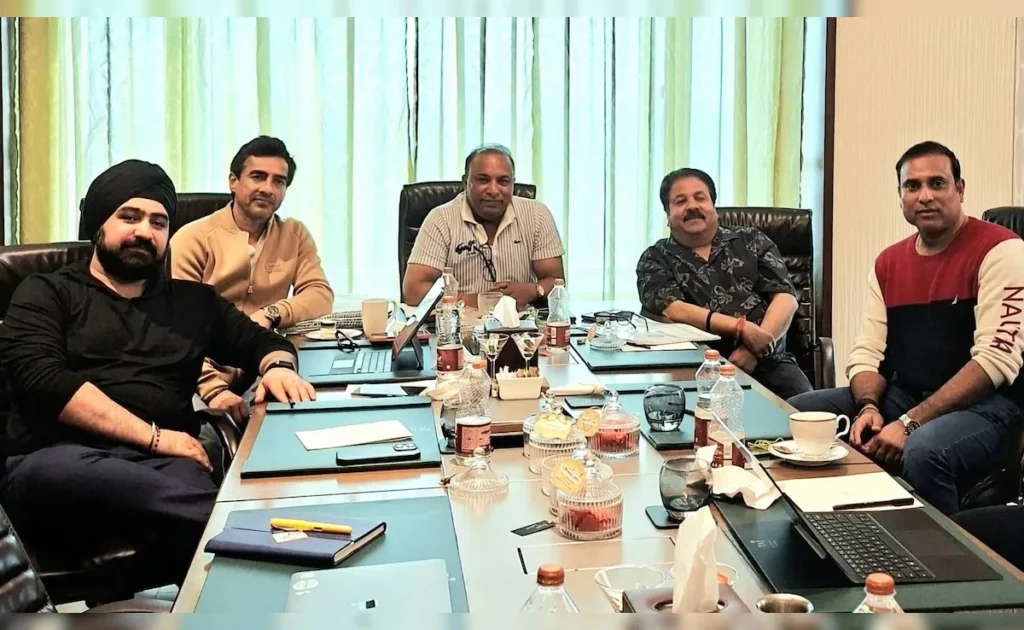
During a crucial meeting in Mumbai on Friday, BCCI’s top brass gathered to review operations at the Centre of Excellence in Bengaluru. When questioned about Bangladesh’s demand, Saikia offered a measured response that revealed the board’s strategic positioning.
“The meeting was about CoE and other cricketing matters. It’s not our domain to talk about that as the ICC has the final say on Bangladesh’s participation in the T20 World Cup,” Saikia told PTI.
This carefully worded statement does several things. First, it distances the BCCI from direct involvement in the controversy. Second, it places responsibility squarely on the ICC’s shoulders. Third, it avoids escalating tensions through inflammatory comments. The Indian board clearly wants to maintain a neutral stance while letting the global governing body handle this diplomatic minefield.
Inside the High-Level BCCI Meeting
The Friday meeting wasn’t solely about the Bangladesh controversy. BCCI officials tackled several important agenda items that will shape Indian cricket’s future.
Key Attendees:
- Mithun Manhas (BCCI President)
- Devajit Saikia (BCCI Secretary)
- Rajeev Shukla (Vice President)
- VVS Laxman (Head of Cricket at CoE)
Major Discussion Points:
- Centre of Excellence operations assessment
- Recruitment for vacant technical positions
- Streamlining India U-19 tour schedules
- Avoiding overlaps between A team and senior team tours
- Vijay Hazare Trophy hosting arrangements
Saikia emphasized the importance of properly scheduling A tours, noting they serve as crucial supply lines for developing cricketers. The board identified acute shortages in technical personnel worldwide but committed to filling positions at the earliest opportunity.
Bangladesh’s Stance and Security Concerns
The Bangladesh Cricket Board hasn’t backed down from its demand despite the ICC’s assurances. BCB officials cite legitimate security concerns for their players, fearing hostile reception at Indian venues, particularly in Kolkata and Mumbai where their matches are scheduled.
Bangladesh has specifically requested all their games be moved to Sri Lankan venues. Their communication with the ICC has been consistent and firm, with BCB stating they don’t want to participate “at the cost of national humiliation.”
| Bangladesh’s Group C Fixtures | Current Venue | City |
|---|---|---|
| vs West Indies | Eden Gardens | Kolkata |
| vs England | Eden Gardens | Kolkata |
| vs Italy | Eden Gardens | Kolkata |
| vs Nepal | Wankhede Stadium | Mumbai |
Three of Bangladesh’s four group matches are currently assigned to Eden Gardens in Kolkata, historically a venue with passionate crowds that create intimidating atmospheres for visiting teams.
ICC’s Position and Jay Shah’s Role
ICC Chairman Jay Shah finds himself in an extremely difficult position. The governing body has assured Bangladesh that it will address their concerns while simultaneously maintaining tournament integrity. According to BCB’s official statement, the ICC has communicated its commitment to ensuring Bangladesh’s full and uninterrupted participation.
“The ICC has conveyed its willingness to work closely with the BCB to address the concerns raised and has assured that the Board’s inputs will be welcomed and duly considered as part of the detailed security planning for the event,” the BCB statement read.
However, no concrete decision has emerged from ongoing email exchanges between the two boards. With the tournament starting February 7, time is rapidly running out for logistical arrangements if venue changes become necessary. For complete fixture details, visit the T20 World Cup 2026 schedule page.
Financial and Logistical Implications
Moving Bangladesh’s matches would create massive complications beyond just logistics. The BCCI has sold broadcast rights, hospitality packages, and tickets based on the published schedule. Venue changes would trigger refunds, rescheduling nightmares, and potential legal complications with broadcast partners.
Potential Impact Areas:
- Television broadcast agreements and rights
- Ticket sales and refund processing
- Hotel and travel arrangements for teams
- Security planning and deployment
- Stadium preparations and staff scheduling
- Sponsorship activation plans tied to specific venues
Eden Gardens alone can accommodate over 66,000 spectators. Three Bangladesh matches at this iconic venue represent significant revenue for both the BCCI and ICC. Relocating these games to smaller Sri Lankan venues would substantially impact financial projections.
What Bangladesh Players Are Saying
Interestingly, some Bangladesh cricketers have offered different perspectives from their board’s official stance. One prominent Bangladesh star made headlines by stating, “Even if you send us to Mars, we’ll go and play,” suggesting players might be more willing to compete in India than their administrators.
Another player made an honest admission that raised eyebrows: “We are acting,” he said, hinting that the public controversy might not fully reflect private conversations happening behind closed doors. These conflicting signals add confusion to an already complicated situation.
Tournament Format and Bangladesh’s Path Forward
Bangladesh sits in Group C alongside England, West Indies, Nepal, and Italy. This group presents both challenges and opportunities. While England and West Indies are formidable opponents, matches against Nepal and Italy offer realistic winning chances. To stay updated on all developments, check latest World Cup news.
Group C Standings Requirements:
- Top two teams advance to Super 8 stage
- Net run rate could prove decisive
- Every match carries enormous significance
- Home advantage matters in high-pressure games
If Bangladesh’s matches move to Sri Lanka, they’d lose any travel advantages while potentially gaining neutral crowd support. However, Sri Lankan conditions differ significantly from Indian pitches, requiring adjusted preparation strategies.
Historical Context of India-Bangladesh Cricket Relations
This isn’t the first time politics has intersected with cricket between these nations. However, previous tensions never reached this level where an entire team threatened to boycott tournament matches in India. The two boards have generally maintained cordial working relationships despite occasional diplomatic tensions between governments.
Bangladesh’s emergence as a competitive cricket nation owes much to regular exposure against India in bilateral series and tournaments. Severing these ties, even temporarily, could harm Bangladesh cricket’s development trajectory while damaging the sport’s reputation as a unifying force.
Frequently Asked Questions
What did the BCCI secretary say about Bangladesh’s venue shift demand?
BCCI secretary Devajit Saikia stated it’s “not our domain” to comment on the issue, emphasizing that the ICC has the final say on Bangladesh’s participation and venue arrangements for the T20 World Cup.
Why does Bangladesh want to move matches out of India?
Bangladesh cites security concerns for their players following deteriorating relations between the two countries. They fear hostile reception at Indian venues, particularly after the Mustafizur Rahman IPL controversy.
Where are Bangladesh’s T20 World Cup matches currently scheduled?
Three of Bangladesh’s four group matches are scheduled at Eden Gardens in Kolkata against West Indies, England, and Italy, while their match against Nepal is set for Wankhede Stadium in Mumbai.
Has the ICC made a decision on Bangladesh’s request?
No concrete decision has been announced yet. The ICC and BCB continue exchanging emails, with the governing body assuring Bangladesh it will address their concerns through detailed security planning.
When does the T20 World Cup 2026 start?
The tournament begins on February 7, 2026, and runs through March 8 across eight venues in India and Sri Lanka, making time extremely tight for any venue changes.
What happens if Bangladesh refuses to play in India?
If Bangladesh doesn’t participate, they could face penalties from the ICC, including potential points deductions or tournament exclusion. However, the ICC prefers finding solutions that keep all teams participating.