BCCI’s Game-Changing Squad Strategy: India’s Blueprint for T20 World Cup 2026 Success
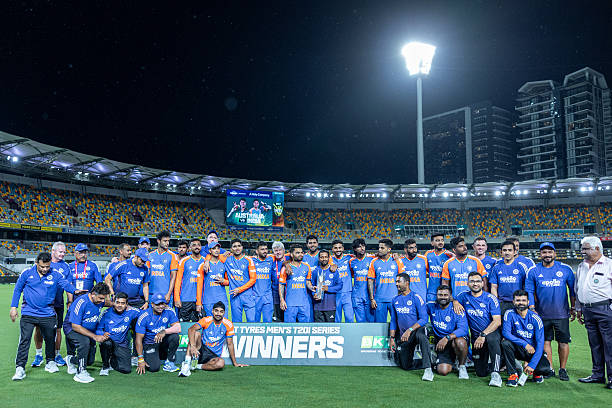
The Board of Control for Cricket in India (BCCI) has announced a significant strategic decision that will shape India’s preparation for the upcoming ICC tournament. According to sources close to the selection committee, the national team will field an identical squad for the upcoming five-match T20I series against New Zealand and the T20 World Cup 2026. This approach marks a departure from previous tournament preparations and signals the board’s commitment to squad stability and continuity.
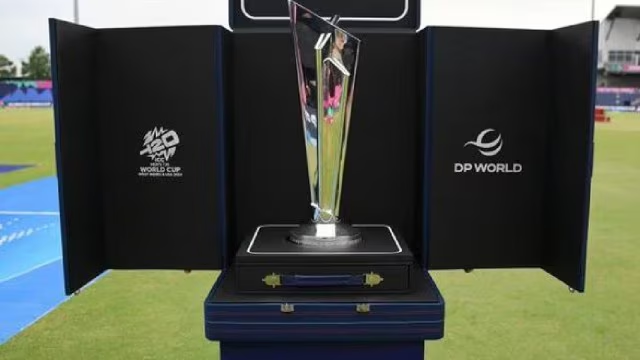
With the ICC T20 World Cup 2026 set to commence tentatively on February 7, India faces a compressed timeline to finalize their championship-winning combination. The decision to maintain consistency between the New Zealand series and the global tournament reflects lessons learned from recent campaigns and addresses the critical need for team cohesion heading into cricket’s most prestigious twenty20 event.
Understanding the BCCI’s Squad Selection Strategy
The Continuity Approach
The national selection committee, spearheaded by former India pacer Ajit Agarkar, has adopted a continuity-first philosophy for the upcoming tournament. This strategic shift comes after India’s triumphant campaign in the 2024 edition under Rohit Sharma’s leadership, where squad stability played a crucial role in their success.
Key factors driving this decision include:
- Limited preparation time with only 10 T20I matches scheduled before the tournament
- Short turnaround between the New Zealand series and the World Cup
- ICC regulations requiring final 15-member squads one month before tournament commencement
- Desire to avoid last-minute disruptions similar to the Champions Trophy selection controversy
ICC Tournament Regulations and Timelines
According to ICC tournament rules, participating nations must submit their final 15-member squads approximately one month before the competition begins. While selection committees retain the option to make modifications until a specified cut-off date, the BCCI appears committed to finalizing their lineup early to maximize preparation time.
This regulatory framework influenced similar decisions during the 2024 T20 World Cup in the Americas, where India ultimately emerged victorious. The success of that campaign has reinforced the selection committee’s belief in maintaining squad continuity.
India’s Pre-Tournament Preparation Schedule
Ten Crucial T20I Matches
India’s preparation roadmap includes ten T20 International matches divided equally between two formidable opponents:
| Opponent | Number of Matches | Significance |
|---|---|---|
| South Africa | 5 T20Is | Initial experimentation phase |
| New Zealand | 5 T20Is | Final dress rehearsal before World Cup |
New Zealand Series: The Ultimate Test
The five-match series against New Zealand represents India’s final competitive action before the World Cup. The complete T20I schedule features matches across diverse Indian venues:
- Nagpur – January 21, 2026
- Raipur – January 23, 2026
- Guwahati – January 25, 2026
- Visakhapatnam – January 28, 2026
- Thiruvananthapuram – January 31, 2026
These strategically selected venues offer varying pitch conditions, allowing the team to test different combinations while maintaining the core squad structure.
Selection Committee’s Tactical Considerations
The South Africa Series Window
According to BCCI sources, the South Africa T20I series presents the last realistic opportunity for head coach Gautam Gambhir and captain Suryakumar Yadav to evaluate fringe players before squad finalization. This series serves as the primary audition platform for players seeking inclusion in the final World Cup roster.
After the South Africa assignments, the selection panel expects minimal changes unless injury-related circumstances force their hand. This approach contrasts sharply with previous tournaments where late squad modifications created disruption and uncertainty.
Learning from Past Mistakes
The selection committee remains mindful of the Champions Trophy selection controversy earlier in 2025. During that tournament held in Dubai, opening batsman Yashasvi Jaiswal was initially included in the 15-member squad but subsequently dropped to accommodate mystery spinner Varun Chakravarthy based on perceived conditions in UAE.
This precedent, which saw a player removed after initial selection, created an uncomfortable situation the BCCI seeks to avoid. The current strategy prioritizes:
- Early identification of the final 15 players
- Minimizing disruption to squad dynamics
- Providing clarity to selected players for focused preparation
- Avoiding the psychological impact of last-minute exclusions
Squad Composition and Player Considerations
Core Players Expected to Feature
While the official squad announcement remains pending, certain players are virtually guaranteed selection based on recent performances and established roles:
Batting Department:
- Explosive top-order batsmen who demonstrated form in recent series
- Middle-order anchors capable of accelerating in death overs
- Versatile all-rounders providing batting depth
Bowling Attack:
- Pace spearheads with wicket-taking ability in powerplay and death overs
- Spin options suitable for Indian conditions
- Death-over specialists with variations
Wicketkeeping Options:
- Primary keeper-batsman
- Backup wicketkeeping option for tactical flexibility
The Injury Variable
The BCCI source acknowledged that injuries represent the only realistic scenario prompting squad changes between the New Zealand series and World Cup. India’s recent injury concerns with key players have made fitness management a priority for the support staff.
The compressed timeline between series conclusion and tournament commencement leaves minimal room for rehabilitation, making player fitness during the South Africa and New Zealand series absolutely critical.
Tournament Format and India’s Preparations
20-Team Competition Structure
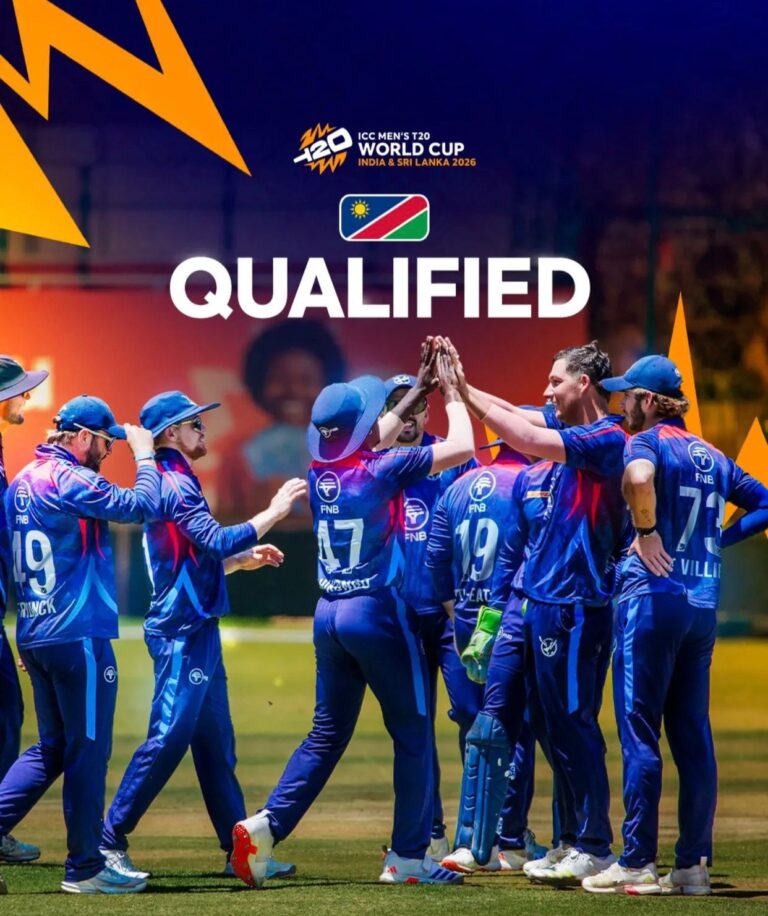
The T20 World Cup 2026 features an expanded 20-team format, creating additional challenges for tournament organizers and participating nations. India, as co-hosts alongside Sri Lanka, will benefit from home conditions but faces heightened expectations from passionate cricket supporters.
The tournament structure demands:
- Consistency across multiple group-stage matches
- Adaptability to different opponents and situations
- Squad depth to manage workload across the competition
- Mental resilience under pressure of home expectations
Home Advantage Considerations
Playing on home soil presents both opportunities and challenges for the Indian team. Familiar conditions provide comfort, but the pressure of meeting fan expectations can prove overwhelming. The selection committee’s continuity approach aims to build confidence through consistent team combinations rather than constant experimentation.
Strategic Implications for Indian Cricket
Building on 2024 Success
India’s triumph in the 2024 T20 World Cup under Rohit Sharma’s captaincy established a winning template that the current leadership seeks to replicate. The continuity strategy reflects confidence in the existing player pool and team culture developed during that successful campaign.
Key elements from the 2024 victory the team hopes to maintain include:
- Aggressive batting approach from ball one
- Balanced bowling attack with options for all conditions
- Fielding excellence as a point of differentiation
- Strong leadership and decision-making under pressure
Comparison with Previous Approaches
Historically, Indian selection committees have frequently tinkered with squad compositions even close to major tournaments, citing form, conditions, and opposition-specific requirements. This new approach represents a philosophical shift toward stability and player confidence.
| Selection Philosophy | Previous Approach | Current Approach |
|---|---|---|
| Squad Changes | Frequent adjustments until tournament | Minimal changes post–New Zealand series |
| Player Communication | Uncertainty about selection | Early clarity on squad status |
| Preparation Focus | Individual auditions | Team combination building |
Expert Perspectives and Analysis
Cricket analysts have offered mixed reactions to the BCCI’s continuity strategy. Supporters argue that squad stability enhances team chemistry and allows players to settle into defined roles. Critics suggest that limited flexibility might prevent the inclusion of in-form players who emerge during the preparation window.
Former selector and cricket administrator perspectives generally support the approach, citing the condensed preparation timeline as justification for early squad finalization. The success of similar strategies employed by other cricket powerhouses in recent global tournaments provides additional validation.
Impact on Domestic Cricket Ecosystem
The selection committee’s decision creates ripples throughout India’s domestic cricket structure. Players on the fringes of international selection understand that performances in the South Africa series carry outsized importance for World Cup aspirations.
For those selected in the finalized squad, the approach provides:
- Extended preparation time for tournament-specific skills
- Mental clarity about their role and responsibilities
- Opportunity to build partnerships and combinations
- Reduced anxiety about last-minute squad changes
For players outside the immediate selection frame, the clarity allows them to focus on domestic cricket and long-term development rather than chasing an unlikely World Cup spot.
Looking Ahead: Path to Tournament Success
As India prepares for the biggest cricketing event on home soil, the BCCI’s squad selection strategy represents just one element of comprehensive tournament planning. Success will ultimately depend on:
- Player fitness management through the lead-up period
- Tactical flexibility despite squad consistency
- Mental preparation for high-pressure situations
- Effective use of home conditions and crowd support
The selection committee’s emphasis on continuity reflects confidence in India’s player pool and commitment to providing optimal preparation conditions. Whether this approach yields championship success will be determined on the field, but the strategic foundation has been deliberately constructed.
For comprehensive updates on team selections and tournament developments, cricket fans should monitor official BCCI announcements as the February tournament commencement approaches.
Frequently Asked Questions
Q: When will the BCCI announce the T20 World Cup 2026 squad?
The BCCI will likely announce the squad alongside the New Zealand T20I series selection in early January 2026. According to ICC regulations, final squads must be submitted approximately one month before the tournament’s tentative February 7 start date.
Q: Can the BCCI make changes to the squad after the New Zealand series?
While ICC rules permit modifications until a specified cut-off date, BCCI sources indicate that changes will only occur due to injury-related circumstances. The selection committee is committed to maintaining squad continuity between the New Zealand series and the World Cup.
Q: How many T20I matches will India play before the World Cup?
India will play 10 T20I matches before the tournament—five against South Africa and five against New Zealand. These matches represent crucial preparation opportunities for finalizing combinations and strategies.
Q: Why is the BCCI not experimenting with the squad closer to the tournament?
The compressed timeline between the New Zealand series conclusion (January 31) and the World Cup’s tentative start (February 7) leaves insufficient time for squad adjustments. The selection committee prioritizes continuity and team chemistry over last-minute experiments.
Q: What lessons did the BCCI learn from the Champions Trophy selection controversy?
During the 2025 Champions Trophy, Yashasvi Jaiswal was dropped after initial selection to accommodate Varun Chakravarthy, creating an uncomfortable precedent. The BCCI seeks to avoid similar situations by finalizing the squad early and maintaining stability.
Q: Where will the T20 World Cup 2026 be held?
The tournament will be co-hosted by India and Sri Lanka, with matches scheduled across multiple venues in both countries. The 20-team competition format represents an expansion from previous editions, creating a more inclusive global event.