Pakistan’s January 2026 Sri Lanka Tour: BBL Contracts and T20 World Cup Preparations at Stake
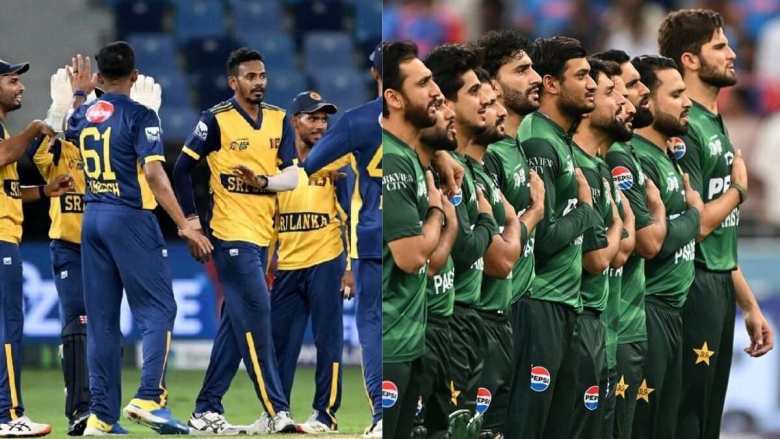
The cricket world is buzzing with news that Pakistan may embark on a crucial tour to Sri Lanka in January 2026, just weeks before the highly anticipated ICC tournament. This potential three-match T20I series carries massive implications not only for Pakistan’s T20 World Cup 2026 preparations but also for several star players contracted to Australia’s Big Bash League. With bilateral negotiations currently underway between Pakistan Cricket Board (PCB) and Sri Lanka Cricket (SLC), the cricketing landscape is set for significant shifts in the coming months.
The proposed series, tentatively scheduled for January 8, 10, and 12 in Colombo, represents a strategic move by Pakistan to fine-tune their preparations before competing on Sri Lankan soil during the global tournament. Given that Pakistan will play all their World Cup matches in Sri Lanka due to geopolitical tensions preventing them from touring India, this tour becomes even more critical for acclimatization and tactical planning.
The Strategic Importance of a Sri Lankan Tour
Pakistan’s request for a bilateral T20I series in Sri Lanka isn’t merely about playing cricket—it’s a calculated preparation strategy with multiple objectives:
Tournament Familiarization: Since Pakistan will compete exclusively in Sri Lanka during the World Cup co-hosted by India and Sri Lanka in February 2026, understanding local conditions, pitch behavior, and environmental factors becomes paramount. Playing competitive internationals just weeks before the tournament offers invaluable on-ground intelligence.
Squad Selection Clarity: The January tour would provide selectors with fresh data on player form and fitness levels, helping finalize the World Cup squad with confidence. It serves as the perfect litmus test for fringe players competing for limited spots.
Tactical Adjustments: Facing Sri Lanka in their home conditions allows Pakistan’s coaching staff to experiment with combinations, batting orders, and bowling rotations without the pressure of a major tournament. These experiments could prove decisive when stakes are highest.
Mental Preparation: Getting players accustomed to Sri Lankan crowds, venues, and logistical arrangements reduces uncertainty and builds psychological comfort ahead of the World Cup.
The BBL Conundrum: Seven Pakistani Stars Caught in the Middle
The January tour creates a significant scheduling conflict with the Big Bash League, which runs from December 14 to January 25. Seven Pakistani cricketers have secured lucrative BBL contracts, and their participation now hangs in the balance:
| Player | BBL Team | Current National Status |
|---|---|---|
| Babar Azam | Sydney Sixers | Not in current T20 setup |
| Mohammad Rizwan | Melbourne Renegades | Not in current T20 setup |
| Hassan Khan | Melbourne Renegades | Active squad member |
| Shaheen Shah Afridi | Brisbane Heat | Regular T20 squad member |
| Hasan Ali | Adelaide Strikers | Squad consideration |
| Haris Rauf | Melbourne Stars | Regular T20 squad member |
| Shadab Khan | Sydney Thunder | Recovering from injury |
The PCB suspended NOCs (No Objection Certificates) for foreign leagues following the Asia Cup, and discussions with Cricket Australia remain ongoing. If the Sri Lankan tour materializes, the NOC situation becomes exponentially more complicated.
What This Means for Pakistani Players
Active National Team Members: Players like Shaheen Afridi, Haris Rauf, and Hassan Khan face straightforward decisions—national duty supersedes franchise commitments. These players will almost certainly miss BBL matches coinciding with national obligations.
Out-of-Favor Players: The situation for Babar Azam and Mohammad Rizwan is more nuanced. Currently sidelined from Pakistan’s T20 format, this tour could represent their pathway back into consideration. Their BBL participation might depend on whether selectors view them as World Cup contenders.
Injury Returnees: Shadab Khan’s rapid recovery timeline makes him an interesting case. If he demonstrates full fitness before January, he could be recalled for both Sri Lanka tour and World Cup squad, ending his BBL stint prematurely.
Financial and Professional Impact: BBL contracts are significant earners for Pakistani cricketers. Early departures mean lost income and potentially strained relationships with Australian franchises, complicating future contract negotiations.
The Afghanistan Factor: Uncertainty Clouds November Schedule
Before the January tour materializes, Pakistan faces another complex situation involving Afghanistan. Originally, Sri Lanka was scheduled to tour Pakistan in November 2025 for:
- Three ODIs from November 11-15
- A tri-nation series with Afghanistan from November 17-29
However, escalating tensions between Pakistan and Afghanistan have cast serious doubt on the triangular series. Alternative scenarios being considered include:
Scenario 1: The tri-nation series proceeds as planned if diplomatic channels manage to ease tensions, offering all three nations valuable preparation time.
Scenario 2: Afghanistan withdraws, leaving Pakistan and Sri Lanka to play a bilateral series instead, potentially expanding the ODI component or adding T20Is.
Scenario 3: Complete schedule restructuring if security concerns or political complications arise, pushing back plans and creating scheduling chaos.
This uncertainty complicates Pakistan’s planning significantly, as the November series would provide the first competitive action before the crucial January tour.
Sri Lanka’s Packed Schedule: Venue Availability Questions
Sri Lanka Cricket faces its own scheduling puzzle. Beyond the proposed Pakistan series, Sri Lanka has committed to hosting England for a limited-overs series comprising ODIs and T20Is later in January. This creates potential venue and logistical conflicts that SLC must navigate carefully.
Venue Pressures: With multiple series compressed into tight timeframes, ensuring quality pitch preparation, stadium maintenance, and broadcast logistics becomes challenging. Colombo’s venues will be in constant use.
Player Workload Management: Sri Lankan cricketers face a relentless schedule with back-to-back home series against major opponents before their own World Cup campaign. Managing player fatigue and injuries becomes critical.
Financial Opportunities: From SLC’s perspective, hosting multiple high-profile series generates substantial revenue through broadcasting rights, ticket sales, and sponsorships—a welcome boost before the World Cup investment.
Pakistan’s World Cup Strategy: Why Sri Lanka Matters More Than Ever
Pakistan’s complete reliance on Sri Lankan venues for the World Cup transforms this January tour from optional preparation to essential reconnaissance. Consider these strategic elements:
Ground Intelligence
Playing in Colombo provides firsthand experience of specific venues likely to host World Cup matches. Understanding boundary dimensions, pitch characteristics, dew factors, and crowd dynamics offers competitive advantages.
Spin Strategy Development
Sri Lankan conditions traditionally favor spin bowling. Pakistan’s bowling attack, featuring quality pacers but inconsistent spinners, needs dedicated practice against quality opposition in spinning conditions. This tour allows experimentation with spin combinations.
Batting Against Spin
Pakistani batsmen have historically struggled against quality spin bowling. Facing Wanindu Hasaranga, Maheesh Theekshana, and other Sri Lankan spinners in match conditions provides invaluable preparation.
Logistics and Acclimatization
Beyond cricket, understanding travel logistics, accommodation standards, practice facility quality, and general operational aspects reduces uncertainties during the World Cup pressure cooker.
The Broader Context: Pakistan’s Recent Bilateral History with Sri Lanka
Pakistan and Sri Lanka share a rich cricket rivalry spanning decades, but recent bilateral engagements have been limited. According to reports, this would mark Pakistan’s first bilateral visit to Sri Lanka since 2023, highlighting how geopolitical factors and pandemic disruptions have reduced meaningful cricket exchanges.
Historical Perspective: The two teams have produced memorable contests across formats, with conditions typically favoring the home side. Sri Lankan spinners have troubled Pakistani batsmen historically, while Pakistan’s pace attack has exploited Sri Lankan vulnerabilities against quality fast bowling.
Competitive Balance: Both teams enter the World Cup preparation phase with questions about form and consistency. This makes their encounters genuinely competitive rather than one-sided affairs, providing quality match practice.
What Happens Next: Timeline and Decision Points
Several key decisions must materialize before this tour becomes reality:
Immediate Priority (October-November 2025): PCB and SLC must finalize tour agreements, including dates, venues, broadcasting arrangements, and logistical details. Simultaneously, the Afghanistan situation requires resolution to clarify November scheduling.
BBL NOC Decisions (November-December 2025): PCB must communicate with Cricket Australia and individual BBL franchises about Pakistani player availability. Clear, early communication minimizes disruption and maintains professional relationships.
Squad Selection Discussions (December 2025-January 2026): Pakistan’s selection committee must evaluate current form, fitness levels, and strategic requirements to determine provisional World Cup squads. The January series provides final evaluation opportunities.
Official Confirmations (By December 2025): Both boards should publicly announce confirmed schedules, allowing players, franchises, broadcasters, and fans to plan accordingly.
Impact on T20 World Cup Dynamics
This proposed series ripples beyond Pakistan and Sri Lanka, affecting broader World Cup preparations:
India’s Perspective: As co-hosts handling matches elsewhere while Pakistan plays in Sri Lanka, India watches these preparations closely. Understanding Pakistan’s tactical evolution helps their own planning.
Other Teams’ Preparation: Associate nations and full members eyeing World Cup qualification observe these high-level preparations, adjusting their own strategies accordingly.
Tournament Logistics: Successful execution of this bilateral series demonstrates Sri Lanka’s readiness to handle World Cup logistics, building confidence among stakeholders.
Frequently Asked Questions
Q: When is Pakistan’s proposed tour to Sri Lanka scheduled?
The three-match T20I series is tentatively planned for January 8, 10, and 12, 2026, in Colombo. However, official confirmation is still pending as both cricket boards finalize remaining details.
Q: Will Pakistani players miss BBL matches if the Sri Lanka tour is confirmed?
Yes, players selected for national duty would likely miss BBL matches during January. The league runs until January 25, creating direct scheduling conflicts with the proposed tour dates.
Q: Why is Pakistan touring Sri Lanka before the T20 World Cup?
Pakistan will play all their World Cup matches in Sri Lanka due to political tensions with India. This tour provides crucial preparation, allowing players to acclimatize to conditions they’ll face during the tournament.
Q: What happens to the Afghanistan tri-nation series in Pakistan?
The November tri-nation series involving Pakistan, Sri Lanka, and Afghanistan faces uncertainty due to Pakistan-Afghanistan tensions. It may convert to a Pakistan-Sri Lanka bilateral series if Afghanistan cannot participate.
Q: How many Pakistani players have BBL contracts for the 2024-25 season?
Seven Pakistani cricketers have secured BBL contracts: Babar Azam, Mohammad Rizwan, Hassan Khan, Shaheen Afridi, Hasan Ali, Haris Rauf, and Shadab Khan across various franchises.
Q: When was Pakistan’s last bilateral tour to Sri Lanka?
According to reports, this would be Pakistan’s first bilateral visit to Sri Lanka since 2023, highlighting the limited recent cricket exchanges between these traditional rivals.
The proposed Pakistan-Sri Lanka series represents more than just three T20 matches—it’s a critical preparation phase with implications for player careers, franchise cricket commitments, and World Cup ambitions. As negotiations continue, the cricket community awaits official confirmations that will shape the pre-tournament landscape. For Pakistan, success in Sri Lanka during January could forecast their World Cup fortunes just weeks later on the same grounds.Retry