Oman Eyes Historic T20 World Cup 2026 Qualification as EAP Qualifier Begins on Home Soil
The stage is set for one of cricket’s most compelling qualification battles as nine associate nations converge on Oman’s Al Amerat Cricket Ground for the ICC T20 World Cup East Asia-Pacific Qualifier, running from October 8-17, 2025. With three coveted spots available for the T20 World Cup 2026 in India and Sri Lanka, the stakes couldn’t be higher for teams dreaming of competing on cricket’s grandest stage.
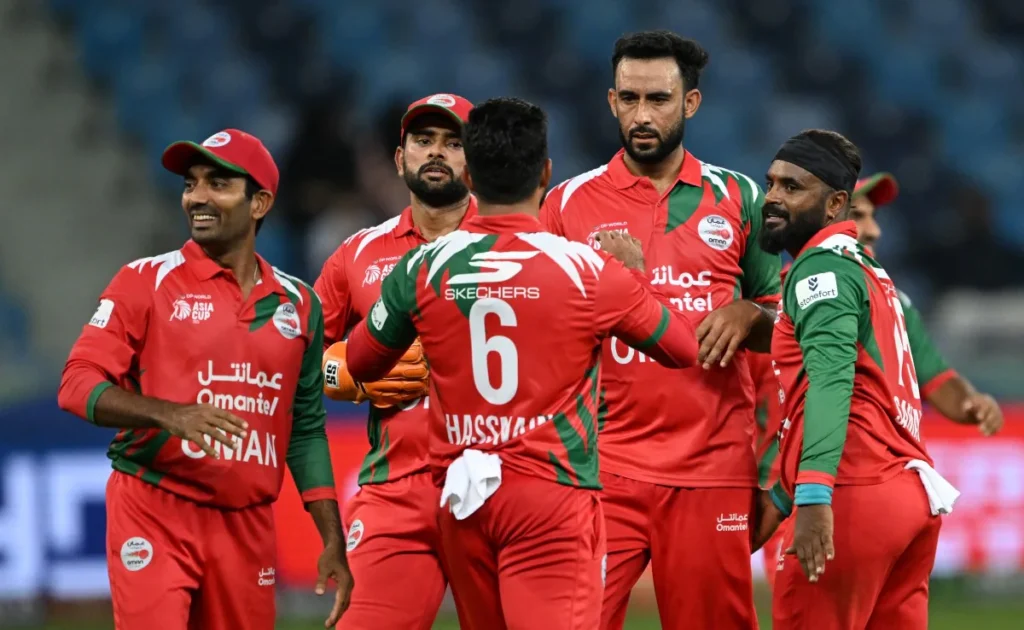
Host nation Oman enters this crucial tournament with renewed confidence, backed by their spirited Asia Cup performance against world champions India and the invaluable advantage of home conditions. Head coach Duleep Mendis and deputy Sulakshan Kulkarni have expressed strong belief that their squad possesses both the experience and temperament to secure qualification for their second consecutive T20 World Cup appearance.
Tournament Format and Qualification Structure
The ICC T20 World Cup East Asia-Pacific Qualifier follows a two-stage format designed to identify the region’s strongest three teams:
Group Stage (October 8-10) Nine teams split into three groups of three nations each compete in round-robin format. The top two teams from each group advance to the Super Six stage, creating an intensely competitive opening phase where every match carries qualification implications.
Super Six Stage (October 12-17) The six qualifying teams play four cross-group matches each, with points carrying forward from group stage encounters between advancing teams. The top three finishers at the conclusion of the Super Six earn direct qualification to the ICC Men’s T20 World Cup 2026, which will feature 20 teams competing across venues in India and Sri Lanka.
| Tournament Phase | Dates | Details |
|---|---|---|
| Group Stage | October 8–10 | 3 groups of 3 teams; top 2 from each advance |
| Super Six | October 12–17 | 6 teams play cross-group matches |
| Qualification | End of Super Six | Top 3 teams qualify for T20 World Cup 2026 |
This format ensures sustained competition throughout the tournament, with no room for complacency as teams battle for every point that could determine their World Cup destiny.
Group Stage Breakdown and Team Compositions
Group 1: UAE, Malaysia, Qatar The United Arab Emirates enters as one of the tournament favorites, bringing extensive international experience and strong domestic cricket infrastructure. Malaysia has shown improvement in recent matches, while Qatar represents the underdog with potential to cause upsets.
Group 2: Nepal, Kuwait, Japan Nepal stands as the clear favorite in this group following their impressive warm-up victory over hosts Oman. Their spin-bowling prowess and experienced batting lineup make them formidable contenders for qualification. Kuwait and Japan will battle for the second advancement spot.
Group 3: Oman, Papua New Guinea, Samoa Hosts Oman face Papua New Guinea, a team with growing cricket credentials, and Samoa, who have gained valuable experience through recent warm-up fixtures. Home advantage could prove decisive for Oman in what promises to be a tightly contested group.
Oman’s Home Advantage: Beyond Familiar Conditions
For Oman’s national team, playing at Al Amerat represents more than just geographical convenience. The venue has been their training ground for years, with players intimately familiar with pitch behavior, boundary dimensions, and environmental factors that can influence match outcomes.
Key Advantages for Oman:
- Deep understanding of pitch characteristics and how they evolve through matches
- Acclimatization to weather conditions including temperature and humidity
- Vocal home support creating pressure on visiting teams
- Psychological comfort reducing performance anxiety
- No travel fatigue or adjustment period required
However, head coach Duleep Mendis cautions against over-reliance on home conditions. “Familiarity alone does not guarantee success,” he emphasized. “Every team will come hard. We need to stay disciplined, play smart cricket, and focus on one match at a time.”
This pragmatic approach reflects Oman’s maturity as a cricketing nation, recognizing that execution under pressure ultimately determines qualification success.
The Asia Cup Effect: Building Belief Through Experience
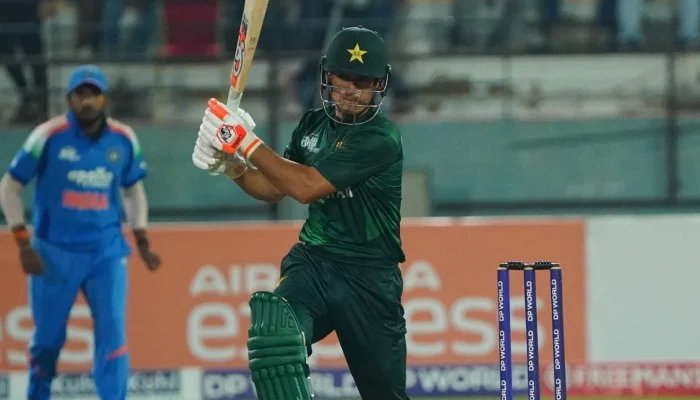
Oman’s recent participation in the Asia Cup 2025 has proven transformational for team confidence and international perception. Their competitive showing against India, the reigning world champions, demonstrated that Omani cricket has evolved beyond merely participating to genuinely competing at elite levels.
Deputy head coach Sulakshan Kulkarni drew a powerful parallel: “For us, that game against India was like India’s 1983 World Cup moment—it changed the perception of what Oman cricket can achieve. It gave our players the self-belief that they can compete with the world’s best.”
This newfound confidence manifests in multiple ways:
- Players approaching matches with winning mentalities rather than survival instincts
- Tactical boldness in decision-making during pressure situations
- Younger players drawing inspiration from veterans who have faced top opposition
- Enhanced self-belief translating to improved performance under pressure
Following their Asia Cup campaign, Oman returned home to record victories against Kuwait in bilateral T20 matches, demonstrating their ability to maintain momentum and convert confidence into results.
Areas of Focus: Fielding Standards and Match Awareness
While Oman’s batting and bowling have shown consistent improvement, head coach Mendis identified fielding as a critical area requiring enhancement before the qualifier begins. In modern T20 cricket, where margins between victory and defeat often measure in single runs, fielding excellence becomes non-negotiable.
“Our fielding needs to improve, with the bowling and batting showing improvement during our recent T20I wins against Kuwait,” Mendis acknowledged candidly.
Deputy coach Kulkarni elaborated on their preparation philosophy: “Modern cricket is about agility and anticipation. We’ve worked on cutting down errors, reading match situations better, and keeping composure under pressure. This team has the temperament and talent—now it’s about execution.”
Training Priorities:
- Reducing dropped catches and misfields in crucial moments
- Improving throw accuracy from boundary positions
- Enhancing communication between fielders
- Developing situational awareness for run-out opportunities
- Building physical fitness for sustained fielding intensity
Complete Group Stage Schedule
The tournament opens with three simultaneous fixtures on October 8, establishing immediate group standings:
October 8 Fixtures:
- Oman vs Samoa
- UAE vs Qatar
- Nepal vs Kuwait
October 9 Fixtures:
- Malaysia vs Qatar
- Kuwait vs Japan
- Papua New Guinea vs Samoa
October 10 Fixtures:
- UAE vs Malaysia
- Nepal vs Japan
- Oman vs Papua New Guinea
This compressed schedule demands excellent squad management, with teams potentially playing on consecutive days. Depth in playing rosters and injury management become crucial factors in sustaining performance levels throughout the group stage.
Historical Context: Oman’s T20 World Cup Journey
Oman’s pursuit of consecutive T20 World Cup qualifications represents significant progress in their cricketing evolution:
2016: Made T20 World Cup debut, marking their arrival on the global stage
2021: Returned to the World Cup, demonstrating sustained progress rather than one-off success
2024: Competed again, establishing themselves as regular participants in cricket’s premier T20 tournament
Securing qualification for 2026 would represent their fourth World Cup appearance and second consecutive qualification—a feat that would cement Oman’s status among cricket’s emerging nations.
Mendis, who has overseen much of this modern evolution, understands the historical significance: “We’ve played the T20 World Cup qualifiers several times and have been successful on three occasions. We need to do it again. This is our opportunity—and playing at home gives us that extra edge.”
Infrastructure and Development: Foundation for Success
Oman’s competitive cricket achievements rest on substantial infrastructure investments and systematic development programs implemented by Oman Cricket over recent years.
Coach Mendis credits these improvements as fundamental to player development: “The infrastructure today allows our players to train and compete with international standards. That’s been crucial to our growth.”
Key Development Factors:
- World-class training facilities at Al Amerat
- Professional coaching across age-group levels
- Enhanced player welfare and support systems
- Regular exposure to international opposition
- Investment in sports science and fitness programs
This institutional support creates an environment where talented players can maximize their potential while preparing systematically for international competition challenges.
Team Composition: Blending Experience with Emerging Talent
Oman’s squad for the qualifier reflects strategic balance between battle-hardened veterans and hungry young players eager to make their mark on the international stage.
Experienced players who have participated in multiple World Cups provide invaluable leadership and composure during pressure situations. They understand the mental demands of qualification tournaments where single mistakes can end dreams.
Meanwhile, emerging talents bring fresh energy, fearless aggression, and modern skill sets that enhance team versatility. This generational blend creates a dynamic where wisdom guides ambition, producing a squad that Mendis describes as “both grounded and ambitious.”
“We are aware of the expectations,” Mendis stated. “The players know what is required. We’ve worked hard, and now it’s about executing the plans. Every match in this qualifier is crucial, and consistency will decide who goes through.”
Competing Nations: Assessing the Qualification Race
Nepal: Tournament favorites based on recent form, including their dominant warm-up victory over Oman. Strong spin attack and experienced batting lineup make them dangerous opponents.
UAE: Extensive international experience and quality players across departments. Previous World Cup participants with strong claims for qualification.
Papua New Guinea: Rapidly improving cricket nation with athletic players and aggressive approach. Capable of upsetting higher-ranked teams.
Malaysia: Building momentum with recent victories. Balanced squad with growing confidence heading into the qualifier.
Japan: Emerging cricket nation with improving infrastructure. Demonstrated competitiveness in warm-up matches.
Kuwait, Qatar, Samoa: Underdogs who could influence group standings through individual performances, even if outright qualification appears challenging.
Strategic Imperatives: What Teams Must Execute
Success in this qualification format requires specific strategic execution:
Group Stage Priorities:
- Securing top-two finish to advance
- Building momentum through early victories
- Managing player workload across tight scheduling
- Maintaining discipline under home crowd pressure (for Oman)
Super Six Requirements:
- Consistency across multiple matches
- Adaptability to different opposition styles
- Mental resilience during decisive encounters
- Superior net run rate management in close scenarios
The team demonstrating greatest consistency, composure, and execution across both tournament phases will earn their place among the 20 nations competing in the men’s Twenty20 championship 2026.
Frequently Asked Questions
Q1: How many teams will qualify from the ICC T20 World Cup East Asia-Pacific Qualifier?
Three teams will qualify directly for the ICC Men’s T20 World Cup 2026 from this tournament. The qualifier features nine associate nations competing in a group stage followed by a Super Six format, with the top three finishers at the end of the Super Six earning qualification spots.
Q2: When and where is the T20 World Cup EAP Qualifier being held?
The tournament takes place from October 8-17, 2025, at the Oman Cricket Academy ground in Al Amerat. The group stage runs October 8-10, followed by the Super Six stage from October 12-17, giving Oman home advantage throughout the competition.
Q3: Has Oman qualified for T20 World Cups before?
Yes, Oman has successfully qualified for three previous T20 World Cups (2016, 2021, and 2024). They are now attempting to secure qualification for their fourth appearance and second consecutive tournament, which would represent significant progress in their cricket development journey.
Q4: Which teams are the favorites to qualify from this tournament?
Nepal enters as the strongest favorite following their dominant warm-up performances, including a six-wicket victory over hosts Oman. UAE brings extensive international experience and strong credentials. Oman benefits from home advantage and recent Asia Cup exposure against world-class opposition, making them strong contenders for the third qualification spot.
Q5: What is the tournament format for the EAP Qualifier?
Nine teams are divided into three groups of three. Each group plays round-robin matches from October 8-10, with the top two teams from each group advancing to the Super Six stage. During the Super Six (October 12-17), the six qualified teams play cross-group matches, with the top three finishers earning World Cup qualification.
Q6: How did Oman’s Asia Cup performance impact their preparation?
Oman’s competitive showing against India and Pakistan in the Asia Cup 2025 provided invaluable confidence and experience. Deputy coach Sulakshan Kulkarni called it a “perception-changing moment” that gave players self-belief they can compete with the world’s best, transforming their mental approach heading into this crucial qualifier.
The ICC T20 World Cup East Asia-Pacific Qualifier represents more than just another tournament—it’s where dreams of competing on cricket’s biggest stage either come to fruition or fade away. For Oman and eight other ambitious nations, the next ten days will test not just their cricketing skills but their mental fortitude, tactical intelligence, and ability to perform under immense pressure. With home support behind them and lessons learned from facing the world’s best, Oman stands poised to write the next chapter in their remarkable cricket story.