T20 World Cup 2026 Qualification Update: 17 Teams Secure Spots as Final 3 Places Spark Intense Asia-Pacific Showdown
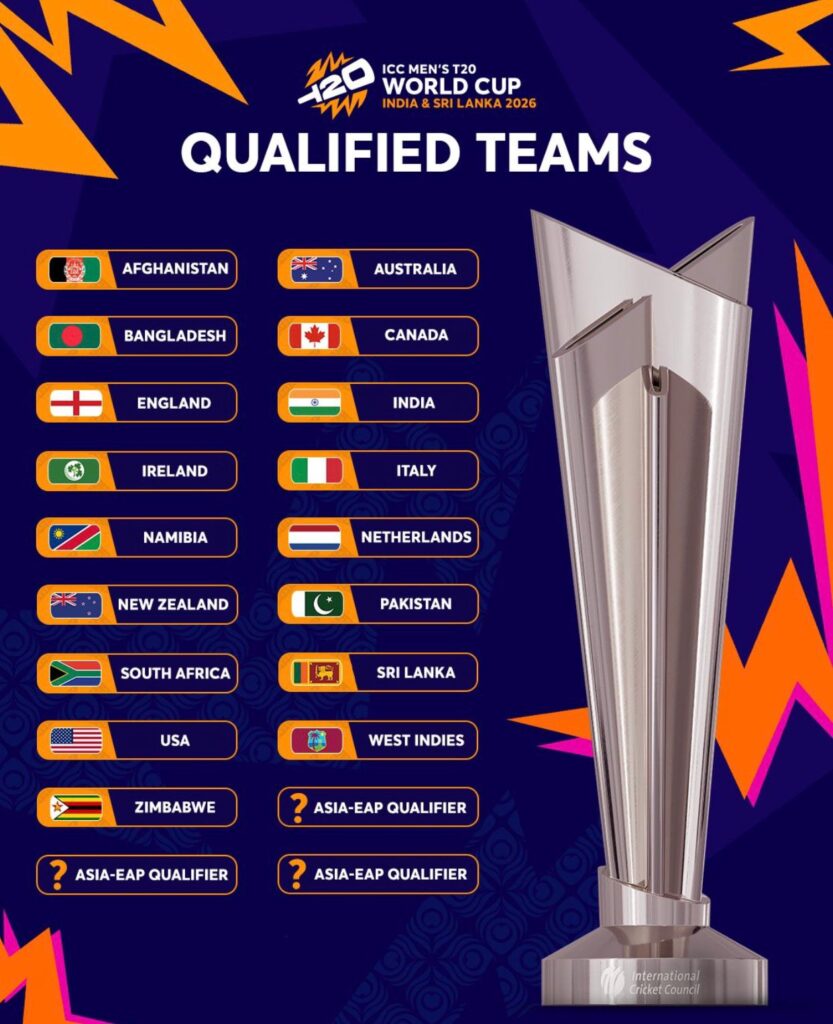
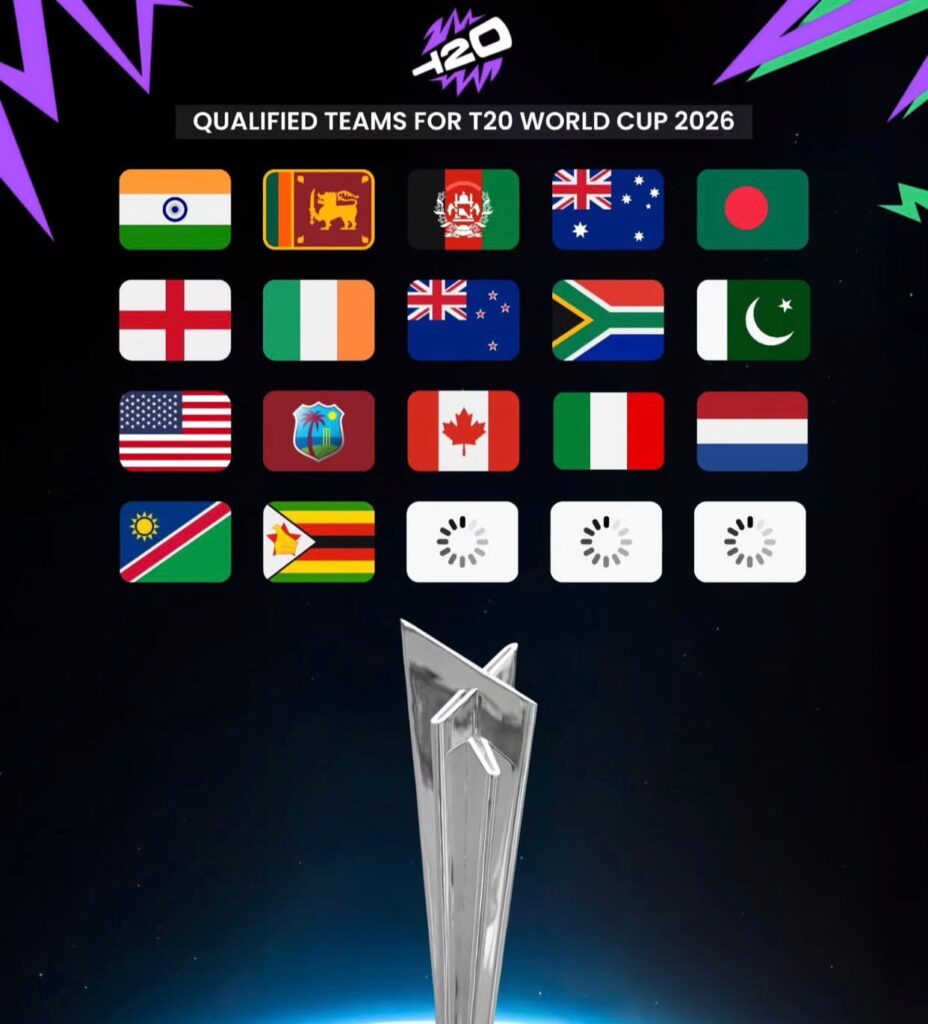
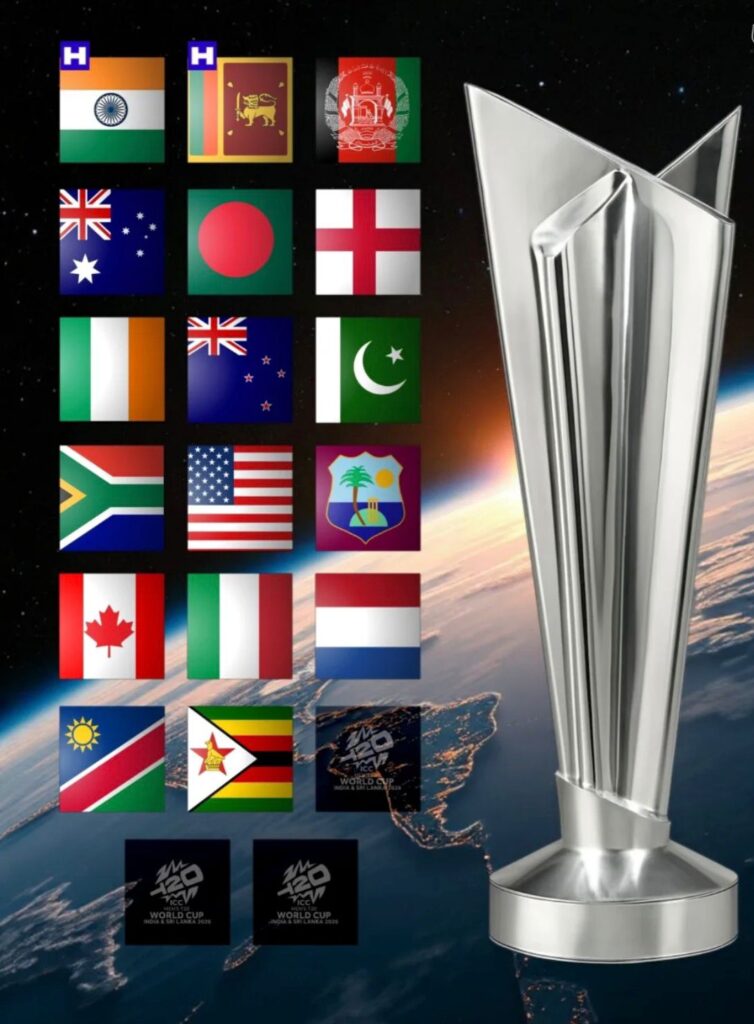
The global cricket landscape has reached fever pitch as the T20 World Cup 2026 schedule takes clearer shape with 17 teams now secured for the mega tournament. Set to unfold between February 7 and March 8, 2026, across the cricket heartlands of India and Sri Lanka, this historic 20-team extravaganza has witnessed two additional nations punch their tickets, leaving just three coveted positions up for grabs in what promises to be cricket’s most fiercely contested qualification finale.
Latest Qualification Breakthrough: Two New Contenders Emerge
The qualification race has dramatically intensified with two fresh qualifiers joining the elite lineup. The Africa Regional Qualifier, hosted in Zimbabwe from September 19 to October 4, 2025, has concluded its thrilling campaign, delivering two deserving nations to the world stage. These latest additions bring the confirmed participant count to 17, marking a pivotal moment in the tournament’s buildup.
Africa Qualifier Results: Continental Champions Crowned
| Category | Details |
|---|---|
| Competition Window | September 19 – October 4, 2025 |
| Host Nation | Zimbabwe |
| Competing Teams | 8 nations (Zimbabwe, Uganda, Kenya, Namibia, Tanzania, Nigeria, Botswana, Malawi) |
| Qualified Teams | 2 (Latest qualifiers from Africa) |
| Competition Format | Round-robin followed by knockout stages |
The African qualifier showcased exceptional cricket across diverse playing nations, with established regional powers facing stiff competition from emerging cricket territories. The tournament demonstrated Africa’s growing cricket depth, featuring nations with contrasting development trajectories—from Zimbabwe’s rich cricket heritage to Tanzania and Nigeria’s rapid infrastructure expansion.
Complete Qualification Breakdown: 17 Teams Confirmed, 3 Battles Remain
Automatic Entry: Host Nation Privileges (2 Teams)
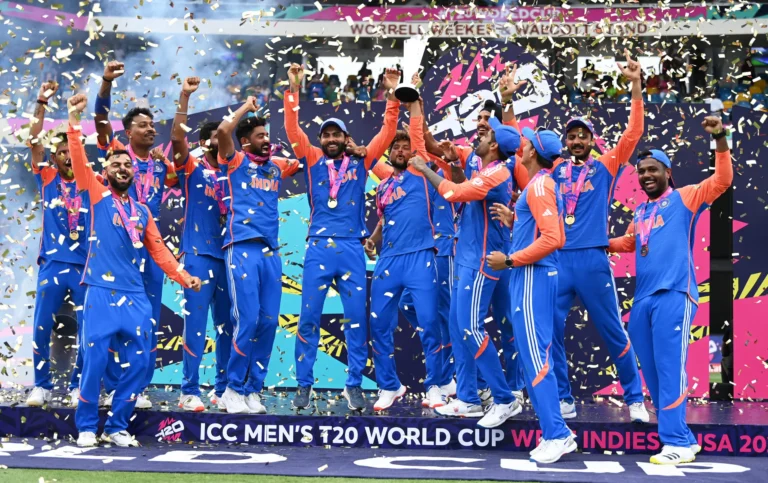
India and Sri Lanka secured automatic qualification as co-hosts, bringing formidable home advantage to the February-March showdown. India enters as defending champions from their triumphant 2024 campaign, while Sri Lanka returns to familiar subcontinental conditions where their spin arsenal traditionally thrives.
Super 8 Elites: 2024 Tournament Standouts (8 Teams)
These powerhouses dominated the 2024 T20 World Cup’s Super 8 phase:
- Australia – Chasing back-to-back championship glory with their aggressive brand
- England – The 2022 champions possess devastating middle-order firepower
- South Africa – Proteas desperate to break their ICC trophy jinx
- West Indies – Two-time winners revitalizing their Caribbean cricket legacy
- Afghanistan – Spin wizards consistently punching above their weight
- Bangladesh – Tigers displaying remarkable T20 format evolution
- USA – Cricket’s American revolution continues its fairytale trajectory
- India – Already qualified as hosts, also earned Super 8 qualification
Rankings-Based Automatic Qualifiers (3 Teams)
The ICC T20I rankings delivered these automatic selections:
- New Zealand – Black Caps bringing strategic mastery and tournament experience
- Pakistan – Mercurial champions capable of explosive match-winning performances
- Ireland – Warriors consistently challenging cricket’s established hierarchy
Regional Champions: Continental Pathway Success (4 Teams)
Americas Representative:
- Canada – Historic qualification marking North American cricket’s commercial expansion
Europe’s Finest:
- Netherlands – Consistent European leaders with growing T20 expertise
- Italy – Maiden World Cup qualification representing cricket’s most inspiring underdog narrative
Africa’s Qualifiers (2 Teams): The two latest qualifiers from the September-October 2025 African tournament have secured their historic berths, bringing diverse playing styles and passionate supporter bases to the global stage.
Asia-EAP Qualifier: Three Final Spots, Maximum Drama
Competition Structure and Stakes
| Aspect | Information |
|---|---|
| Expected Timeline | October – November 2025 |
| Available Positions | 3 teams advance |
| Competition Intensity | Highest among all regional qualifiers |
| Geographic Coverage | Combined Asia and East Asia Pacific region |
| Playing Nations | Multiple traditional and emerging cricket territories |
This combined Asia-East Asia Pacific qualifier represents the tournament’s most competitive pathway, featuring:
Traditional Asian Powers Seeking Redemption:
- Nations with established cricket infrastructure aiming for World Cup returns
- Teams with previous tournament experience hungry for qualification
- Emerging Asian cricket markets showcasing rapid development
Pacific Cricket Revolution:
- Island nations bringing unique aggressive batting approaches
- Teams leveraging explosive athleticism and fearless gameplay
- Cricket communities with rapidly expanding grassroots participation
East Asian Cricket Growth:
- Countries demonstrating remarkable infrastructure investment
- Associations benefiting from Asian Cricket Council development programs
- Markets representing cricket’s untapped commercial potential
Tournament Format: Proven Structure Ensures Competitive Excellence
The 2026 edition mirrors the successful 2024 format:
Group Stage Configuration:
- 20 teams divided into four groups of five teams each
- Round-robin competition within groups ensuring fair evaluation
- Top performers from each group advancing to knockout stages
Knockout Phase Dynamics:
- Super 8 stage featuring elite performers from group stages
- Semi-finals determining championship match participants
- Final scheduled for either Ahmedabad or Colombo (venue confirmation pending)
Strategic Format Advantages
✓ Extended Tournament Duration – 30-day window allows optimal player recovery and tactical preparation
✓ Maximum Participation Value – Every team guaranteed minimum four group-stage matches
✓ Competitive Balance Maintenance – Group diversity prevents early powerhouse eliminations
✓ Fair Qualification Representation – Multiple pathways ensure continental diversity
Venue Analysis: Subcontinental Cricket Paradise
Indian Venues: Diverse Playing Conditions
The three Indian venues will offer contrasting challenges:
Pitch Characteristics:
- Spin-friendly surfaces in traditional cricket heartlands
- Pace-conducive wickets at coastal venues
- Variable bounce conditions based on venue elevation
Atmospheric Factors:
- Humid coastal environments affecting swing bowling
- Dry inland conditions favoring spin manipulation
- Evening dew impact on second-innings bowling strategies
Fan Atmosphere:
- Unparalleled crowd support creating intimidating environments
- Stadium capacities delivering television spectacle value
- Local cricket passion generating intense home advantages
Sri Lankan Venues: Tropical Cricket Theatre
The two Sri Lankan locations provide unique challenges:
Environmental Considerations:
- Potential monsoon disruptions requiring scheduling flexibility
- High humidity levels affecting player stamina management
- Tropical heat demanding superior fitness conditioning
Playing Surface Traits:
- Traditional spin-bowling friendly wickets favoring wrist spinners
- Smaller ground dimensions encouraging aggressive batting approaches
- Sea-level conditions affecting ball carry and aerial shot execution
Global Cricket Impact: Beyond Tournament Boundaries
Economic Transformation
Host Nation Benefits:
- Projected tourism revenue exceeding previous tournament benchmarks
- Infrastructure legacy projects enhancing domestic cricket facilities
- Broadcasting rights expansion reaching 150+ countries
- Regional commercial partnerships worth millions
Emerging Nation Development:
- Tournament exposure attracting international franchise attention
- Player showcases leading to professional contract opportunities
- Government cricket investment justification through World Cup participation
- Youth engagement surge inspiring grassroots program expansion
Cultural Significance
The 20-team expansion represents cricket’s most inclusive global vision:
- Geographic Diversity – Six continental regions represented across qualification pathways
- Playing Style Variety – Traditional techniques meeting modern aggressive approaches
- Commercial Reach – New markets expanding cricket’s economic footprint
- Social Impact – Cricket serving as diplomatic bridge between nations
Team Preparation Strategies: Qualified vs. Contenders
Advantages for Secured Teams
Nations already qualified are maximizing preparation time:
Strategic Planning:
- Analyzing subcontinental pitch conditions through domestic cricket observation
- Conducting opponent scouting missions across international competitions
- Optimizing squad balance for Indian and Sri Lankan environments
- Mental conditioning programs for tournament pressure situations
Tactical Adaptations:
- Spin bowling recruitment and development priorities
- Death bowling execution refinement for high-scoring environments
- Powerplay strategy optimization for diverse pitch conditions
- Middle-overs consolidation techniques for tournament longevity
Challenges Facing Qualification Contenders
Asia-EAP qualifier participants face unique pressures:
Immediate Concerns:
- Balancing current domestic commitments with qualification demands
- Managing player fitness across compressed competition schedules
- Psychological pressure handling during must-win qualification scenarios
- Resource allocation between qualification and potential tournament preparation
Long-Term Implications:
- Squad selection uncertainty affecting player confidence
- Commercial partnership negotiations dependent on qualification
- National cricket board funding influenced by tournament participation
- Player career trajectories potentially transformed by qualification success
Broadcasting Revolution: Global Accessibility Unprecedented
Media Coverage Expansion
The 20-team structure ensures maximum global reach:
Television Distribution:
- Comprehensive coverage across 150+ territories
- Multi-language commentary serving diverse international audiences
- Prime-time scheduling optimized for global viewership zones
- Regional broadcaster partnerships ensuring accessibility
Digital Innovation:
- Streaming platforms catering to mobile-first younger demographics
- Interactive features enabling real-time fan engagement
- Advanced analytics integration providing tactical insights
- Virtual reality experiences creating immersive viewing opportunities
Social Media Integration:
- Behind-scenes content building player-fan connections
- Real-time highlight distribution maximizing viral potential
- Interactive polling and prediction features driving engagement
- Multi-platform presence ensuring comprehensive cricket coverage
Historical Context: Cricket’s Evolutionary Journey
Tournament Expansion Timeline
| Year | Teams | Key Development |
|---|---|---|
| 2007 | 12 | Inaugural T20 World Cup establishing format viability |
| 2014 | 16 | First major expansion enhancing global participation |
| 2021 | 16 | COVID-adapted tournament proving cricket’s resilience |
| 2024 | 20 | Super 8 format introduction improving competitive balance |
| 2026 | 20 | Subcontinental showcase maximizing cricket’s global reach |
This evolutionary progression demonstrates cricket’s commitment to inclusive growth while maintaining competitive standards—a delicate balance achieved through thoughtful qualification pathway design.
Frequently Asked Questions
Q1: What are the exact dates for the T20 World Cup 2026?
The tournament runs from February 7 to March 8, 2026, spanning 30 days of continuous cricket action across India and Sri Lanka. This February-March window provides optimal playing conditions across subcontinental venues while avoiding monsoon disruptions.
Q2: Which two teams recently qualified from the Africa Regional Qualifier?
Two nations emerged victorious from the September 19 to October 4, 2025 Africa qualifier hosted in Zimbabwe, bringing the total confirmed teams to 17. These qualifiers demonstrated exceptional cricket throughout the competitive eight-nation tournament.
Q3: How will the three remaining spots be decided?
The final three positions will be determined through the Asia-East Asia Pacific combined regional qualifier, expected to conclude in October-November 2025. This represents cricket’s most competitive qualification pathway given the region’s depth and diverse playing nations.
Q4: What makes this T20 World Cup historically significant?
This marks cricket’s most inclusive T20 World Cup with 20 participating teams, featuring first-time qualifiers like Italy, expanded continental representation, and the proven Super 8 format ensuring competitive balance throughout the tournament.
Q5: Where will the final match be played?
The championship final will occur in either Ahmedabad, India, or Colombo, Sri Lanka, with the exact venue confirmation expected closer to the tournament. Both cities offer world-class cricket facilities and passionate fan atmospheres.
Q6: Can teams still qualify through alternate pathways after regional qualifiers conclude?
No, the ongoing Asia-EAP qualifier represents the final qualification opportunity. Once these three spots are filled, all 20 tournament positions will be confirmed with no additional qualification pathways available.
Conclusion
The T20 World Cup 2026 qualification saga has entered its climactic phase, with 17 teams confirmed and three positions generating unprecedented competitive intensity across the Asia-East Asia Pacific region. This tournament represents far more than cricket competition—it symbolizes the sport’s transformation into a genuinely global phenomenon, breaking traditional boundaries and creating opportunities for emerging cricket nations.
As the Africa qualifier’s two successful nations celebrate their historic achievements and Asia-EAP contenders battle for remaining spots, the cricket world witnesses a defining moment in the sport’s evolutionary journey. With India and Sri Lanka providing the perfect subcontinental stage, February 7, 2026, promises an unforgettable celebration of cricket’s diversity, passion, and limitless global potential.
The countdown has begun, dreams burn brighter than ever, and cricket’s expanding family prepares for the most inclusive, competitive, and professionally organized T20 World Cup in history. The final qualification battles will determine not just tournament participants, but potentially career-defining moments that inspire future generations across every cricket-playing continent.